
That single fact explains everything the politicians won’t.
Look at the numbers today: Singapore’s GDP per capita sits around $88,000. Malaysia’s hovers near $14,000. Same region, same colonial inheritance, independence granted within years of each other. The divergence isn’t accidental.
Lee Kuan Yew made choices Malaysia’s political class refused to make. He enforced contracts. He paid civil servants market wages to reduce corruption, rather than moralizing at them. He kept taxes low and tariffs lower. He told foreign capital: your property is safe here. Investors believed him because the courts backed it up.
Malaysia went the other direction. The New Economic Policy (NEP), introduced in 1971, redistributed wealth along ethnic lines rather than generating it. Bumiputera quotas distorted business formation. Petronas revenues (billions of ringgit annually from nationalized oil) subsidized consumption rather than building institutional quality. When you tax productive activity to fund patronage, you get less production and more patronage. The math on that never changes.
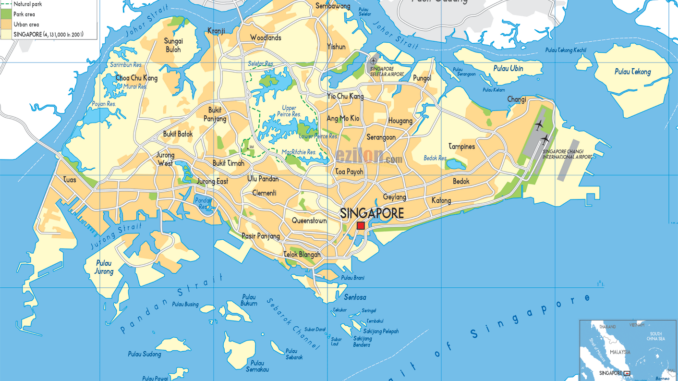
Singapore had no oil, no agricultural hinterland, no natural resource cushion. Scarcity forced discipline. Free market thinkers have long argued that resource abundance breeds political laziness, and Malaysia spent fifty years proving them right.
Critics call Singapore authoritarian, and they’re not entirely wrong on the civil liberties question. Authoritarianism alone doesn’t produce prosperity. Zimbabwe was authoritarian. The variable that moved was economic freedom, not the political iron fist.
What Lee built was closer to a rule-of-law commercial republic than anything else in Southeast Asia. You respect property, you enforce contracts, you keep the currency sound, and capital flows toward you. Malaysia is still learning that lesson.