
Ahram Online , Friday 6 Mar 2026
Egypt’s Minister of Foreign Affairs, Badr Abdelatty, received a phone call on Friday from Lebanese Prime Minister Nawaf Salam to discuss the repercussions of ongoing Israeli attacks and the widening regional military escalation, with Cairo reaffirming its full solidarity with Lebanon.
During the call, the two officials reviewed the latest developments in Lebanon and the broader regional situation amid the ongoing and dangerous military escalation in the region.
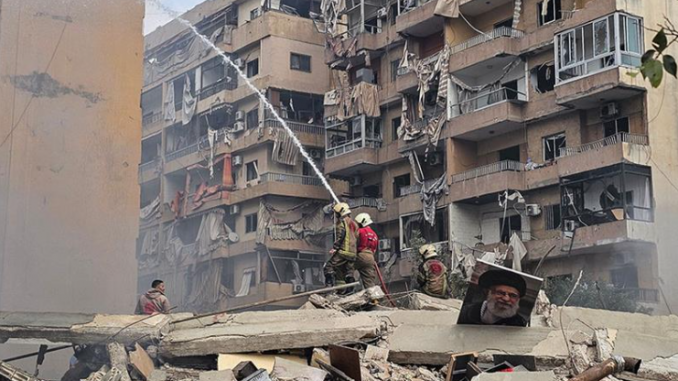
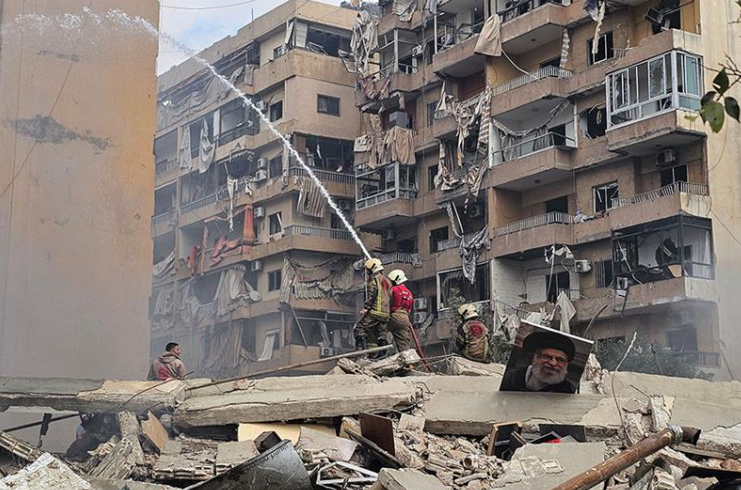
According to the Egyptian Foreign Ministry, the conversation came as part of Egypt’s close follow-up of the critical situation in Lebanon, particularly the severe repercussions of the growing displacement crisis resulting from Israeli attacks.
Abdelatty reaffirmed Egypt’s full solidarity with the Lebanese state during the current critical circumstances, stressing Cairo’s categorical rejection of any infringement on Lebanon’s sovereignty, territorial unity, or the security and resources of its people.
The call also included a comprehensive assessment of the current situation in Lebanon, including the ongoing displacement crisis, the urgent humanitarian needs of the Lebanese people, and ways to address them swiftly in line with directives from President Abdel-Fattah El-Sisi.
The Egyptian foreign minister underscored Egypt’s commitment to continuing efforts to support Lebanese state institutions, enable them to extend their authority across the entire Lebanese territory, and back the role of the Lebanese army in this regard, including efforts to consolidate state control over arms.
Abdelatty also stressed Egypt’s ongoing diplomatic efforts to halt the current escalation, warning of its serious repercussions for Lebanon’s security and stability while calling for increased international support to alleviate the suffering of the Lebanese people.
Before the current escalation, Israeli strikes had killed more than 300 people in Lebanon since the November 2024 ceasefire, according to figures reported by Lebanese authorities in the weeks leading up to the war.
Despite abiding by the ceasefire since it came into effect, Hezbollah decided to respond to hundreds of Israeli violations and the US-Israeli war on its key ally, Tehran, by launching missiles toward Israel on Monday.
Israel has since used the attack as a pretext to expand its bombing of Lebanon. The Lebanese health ministry said late Thursday night that Israeli strikes since Monday had killed 123 people.